

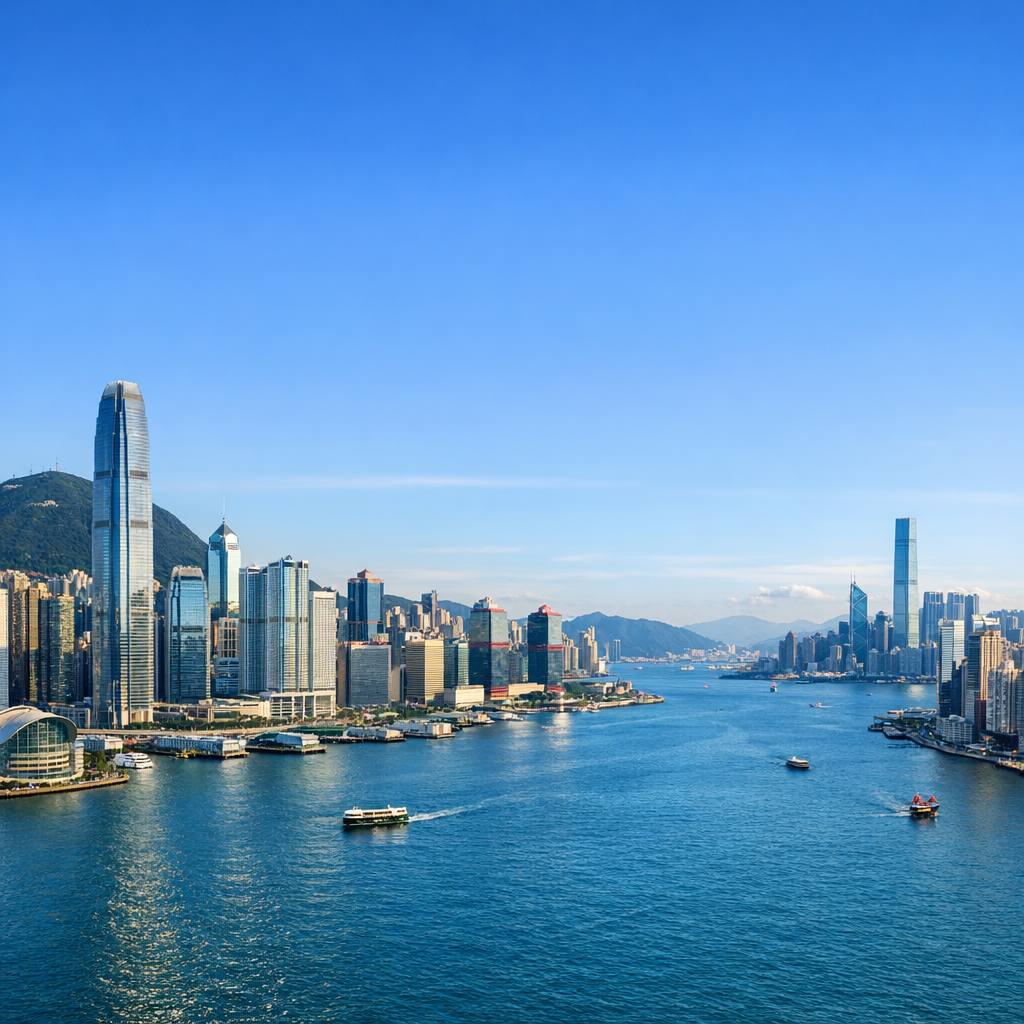
Kowloon, situated north of Victoria Harbour, experiences a humid subtropical climate characterized by distinct seasonal variations. Understanding these patterns is essential for residents and visitors alike.
Seasonal Climate Patterns
Spring (March to May)
Spring in Kowloon brings milder temperatures, ranging from 19.5°C (67°F) in March to 24.3°C (76°F) in May. However, this season is also marked by increased humidity and occasional fog, which can reduce visibility and affect transportation services.
Summer (June to August)
Summers are hot and humid, with average temperatures between 26.8°C (80°F) and 28°C (82°F). This period also sees the highest rainfall, with June averaging 8.56 inches and August 8.95 inches. The region is susceptible to typhoons during these months, leading to heavy downpours and strong winds.
Autumn (September to November)
Autumn offers more comfortable conditions, with temperatures ranging from 26.8°C (80°F) in September to 21°C (70°F) in November. Humidity levels decrease, and rainfall becomes less frequent, making it a favorable time for outdoor activities.
Winter (December to February)
Winters are cool and dry, with temperatures averaging between 16.2°C (61°F) in December and 17.8°C (64°F) in February. While snowfall is rare, occasional cold fronts can cause temperatures to drop below 10°C (50°F) in urban areas.
Environmental Considerations
Kowloon’s dense urban landscape contributes to the urban heat island effect, leading to higher temperatures and humidity levels compared to surrounding areas. Studies have shown that the area’s high-rise structures disrupt natural air circulation, exacerbating these conditions. Addressing these challenges requires integrated urban planning and sustainable design practices.
Additionally, light pollution is a growing concern. Observations during Earth Hour events have revealed significant night sky brightening due to decorative building lights. Implementing targeted light pollution mitigation efforts can enhance urban sustainability and improve residents’ well-being.
By understanding Kowloon’s climate and environmental dynamics, the community can better prepare for seasonal changes and contribute to a more sustainable urban environment.