

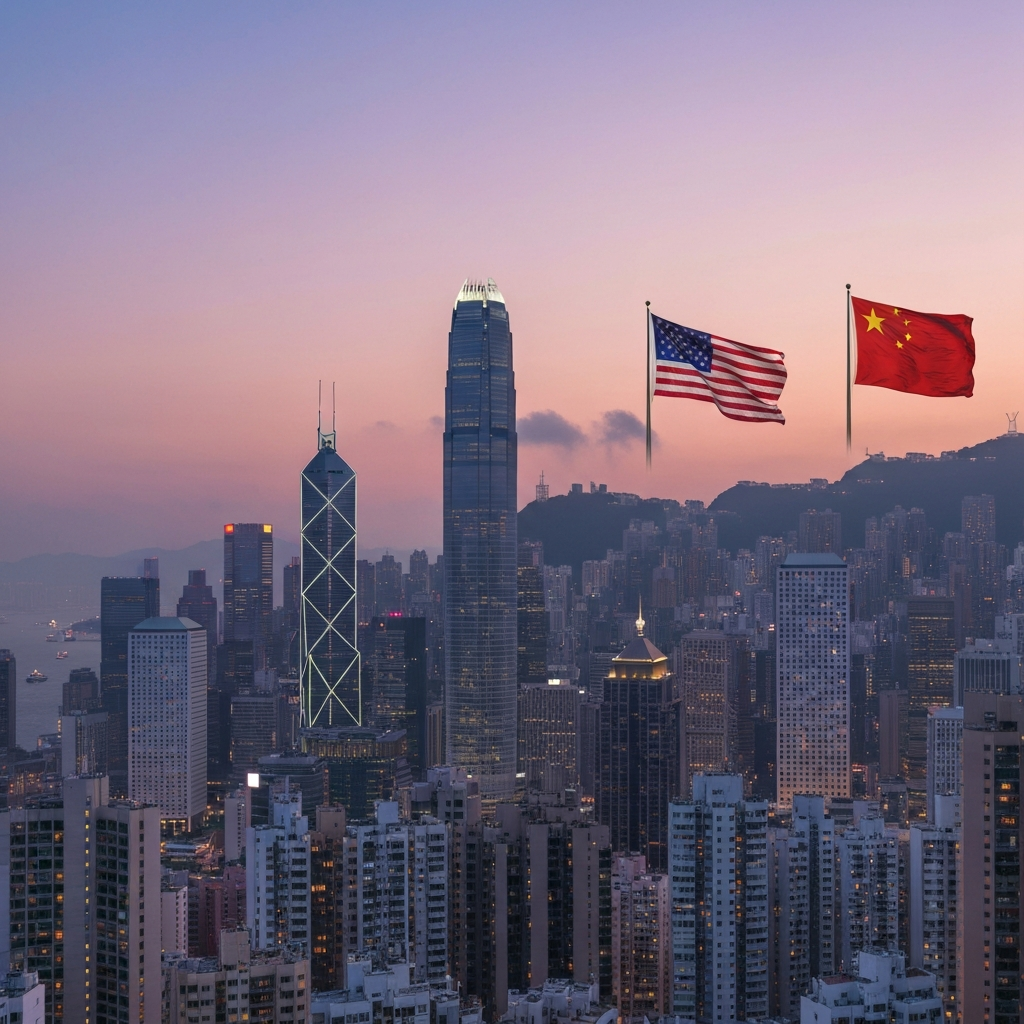
Hong Kong has long stood as a unique bridge between East and West, serving as a global financial hub and a conduit for international trade. However, the evolving dynamics between the United States and China have introduced new challenges and considerations for our city.
Historical Context
Under the “one country, two systems” framework established during the 1997 handover, Hong Kong was promised a high degree of autonomy until 2047. This arrangement facilitated robust economic ties with both the U.S. and China, allowing Hong Kong to flourish as an international business center.
Recent Developments
In recent years, Beijing has implemented measures that have raised concerns about Hong Kong’s autonomy. Notably, the enactment of the National Security Law in 2020 granted the central government broad powers to address activities deemed as threats to national security. This move has been perceived by many as a significant shift in the city’s governance and freedoms. [Source: Council on Foreign Relations]
U.S. Policy Adjustments
In response to these developments, the United States has reevaluated its policies toward Hong Kong. The Hong Kong Autonomy Act, signed into law in July 2020, imposed sanctions on officials and entities involved in undermining Hong Kong’s autonomy. Additionally, the U.S. suspended Hong Kong’s special trading status, aligning its treatment more closely with that of mainland China. [Source: Wikipedia]
Economic Implications
The revocation of Hong Kong’s special status has introduced uncertainties in trade and investment. Previously, Hong Kong enjoyed preferential treatment in its economic relations with the U.S., including exemptions from certain tariffs imposed on mainland China. The new measures may affect sectors such as finance, technology, and logistics, which have been integral to Hong Kong’s economy. [Source: CNBC]
Looking Ahead
As Hong Kong navigates this complex landscape, it is crucial for businesses and residents to stay informed about the evolving policies and their potential impacts. While challenges exist, Hong Kong’s resilience and adaptability have been hallmarks of its history. Engaging in open dialogue and seeking collaborative solutions will be key to maintaining the city’s position as a global hub amidst changing geopolitical currents.