

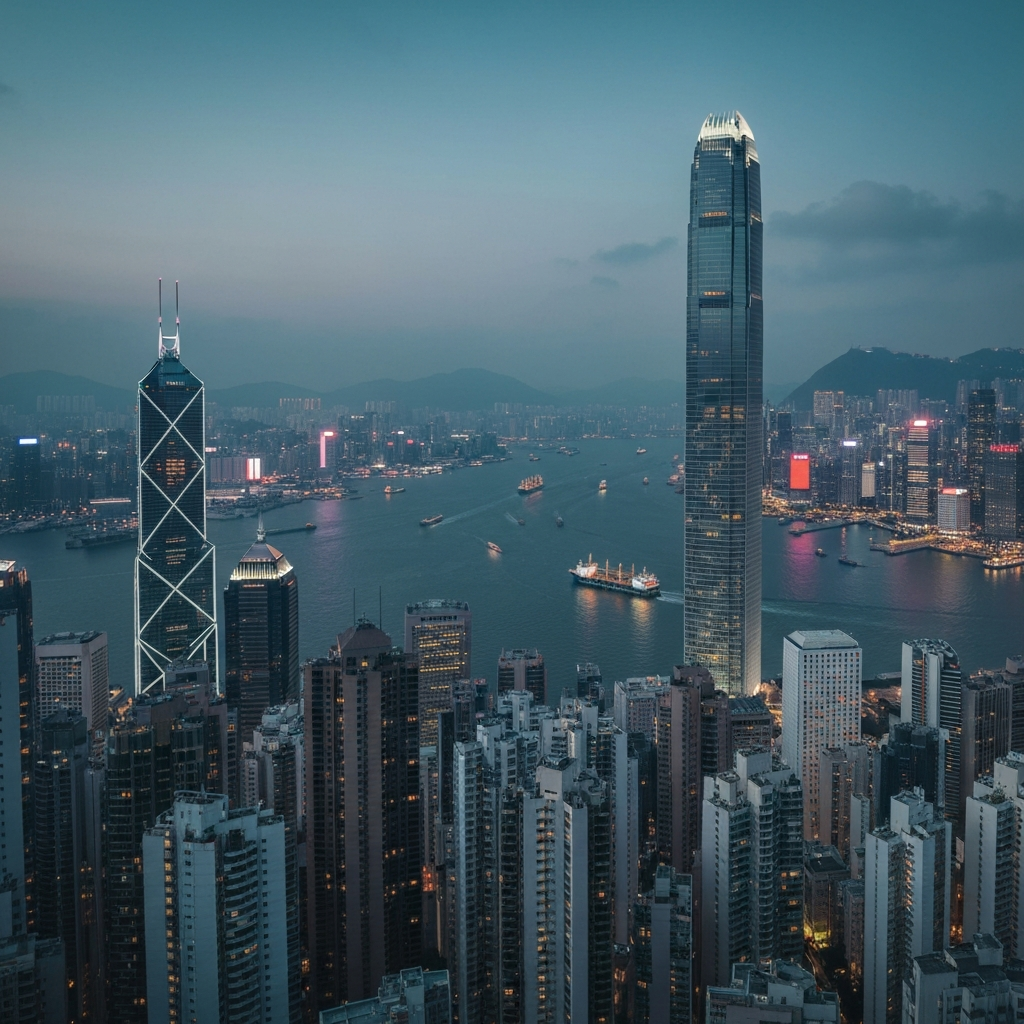
Hong Kong has long stood as a vibrant international hub, balancing its unique status under the “one country, two systems” framework. However, recent developments in U.S.-China relations have introduced new challenges and considerations for our city.
Impact of U.S. Policy Changes
In response to Beijing’s enactment of the National Security Law in 2020, the United States revoked Hong Kong’s special trading status. This shift means that Hong Kong is now subject to the same tariffs and export controls as mainland China. Such changes have raised concerns among local businesses about potential disruptions to trade and investment flows. The U.S. Chamber of Commerce highlighted that Hong Kong’s autonomy has been a significant asset in fostering a transparent, rules-based economy. [Source: CNBC]
Economic Ramifications
The revocation of Hong Kong’s special status has led to increased scrutiny over financial transactions and export controls. Industries that rely on international partnerships and technology transfers are particularly affected. The American Chamber of Commerce in Hong Kong noted that U.S. firms are reconsidering their investment strategies in the region due to these uncertainties. [Source: CNBC]
Hong Kong’s Strategic Position
Despite these challenges, Hong Kong continues to serve as a critical bridge between East and West. Our city’s robust legal system, financial infrastructure, and entrepreneurial spirit remain attractive to global businesses. However, maintaining this position requires careful navigation of the evolving geopolitical landscape.
Looking Ahead
As residents and stakeholders in Hong Kong, it is essential to stay informed about international developments and their potential local impacts. Engaging in open dialogues and fostering resilience within our communities will be key to adapting to these changes.