

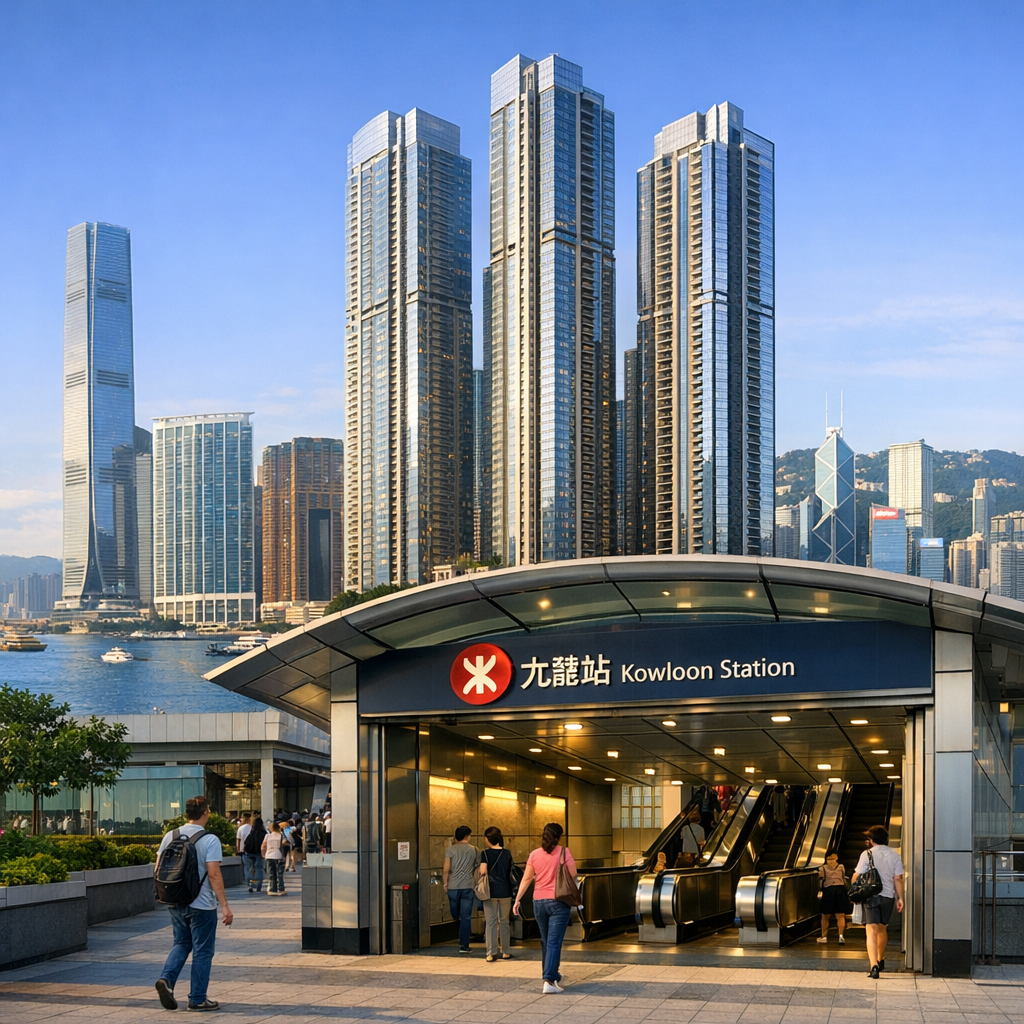
Owning or renting in Kowloon — whether you’re eyeing a flat near the MTR, scouting for family space, or evaluating investment potential — means keeping an eye on several developments now reshaping the market. Here’s a guide to what matters most in local housing trends.
New Dense Supply in Hot Zones
Redesigns of heritage and old institutional sites are bringing fresh residential and mixed-use buildings into areas like East Kowloon. A prime example: the redevelopment of the former St. Joseph’s Home in Ngau Chi Wan is under construction, with multiple towers plus podium commercial space. It’s one of the largest new sources of private housing in that part of Kowloon, and it ties directly into plans for a future East Kowloon transit corridor. Such projects are stretching the densification inward rather than via outward expansion.
Nearby, a new project at 33 Clear Water Bay Road is gearing up for presale; Phase 1 alone includes 361 units, with layouts from two to four bedrooms and ranging between about 490 to 1,040 sq ft — attractive for both end‐users and landlords alike. And these aren’t off isolated islands: access to the Kwun Tong Line via linked commercial podiums promises convenience.
Land Sales Remain Tight, Policy Shapeups in Supply
The government continues to offer very few residential sites for tender in Kowloon. For instance, in one recent quarter, only a single plot in Ho Man Tin was slated for release. Despite a market rebound, land supply is being managed cautiously, with the authorities emphasizing redevelopment, railway-tied land, and Northern Metropolis plans as major supply channels going forward. The takeaway: upcoming supply may be steady but not overwhelming — expect demand to remain competitive.
Rentals Still Laggards, But Signs of Uptick
Kowloon’s rental market has seen slower recovery than Hong Kong Island, particularly in popular Tsim Sha Tsui and Mong Kok districts. Job recovery, inbound travel, and mainstream demand are pushing rents up slowly — but the growth remains modest. In submarkets close to new developments or transit hubs, catchments are catching buyer and renter interest. But in older, less well-connected neighbourhoods, landlords are still adjusting rates carefully.
For Buyers: What Then Matters Most
If you’re buying, now is a time to sharpen your homework. Review the deed of mutual covenant closely — this reveals maintenance costs, shared expenses, and building-management rules. Check connectivity, unit sizes, layout, and whether nearby infrastructure (train stations, schools, retail) is planned or already in place. Make room in your budget for more than just the price: you’ll need to consider legal fees, stamp duty, agent commissions, and often renovation or repair in older buildings.
Loan Terms & Investment Appetite
Mortgage policy has eased somewhat, especially for first-time buyers, though caps still depend on purchase price, your income and citizenship/residency status. For investors, units in up-and-coming estates or near transit tend to promise steadier yields. But don’t expect drastic price drops or bargains — in many cases you’ll be competing with owner-occupiers willing to pay a premium for commute convenience and facilities.
In short: Kowloon’s housing story now balances tight land supply with fresh density in redevelopment areas, and gradual rental recovery that trails supply in the most connected spots. Whether you rent or buy, prioritize access, hidden costs, and the long-term character of the neighbourhood.